Softer Voices: 2026 Venice Biennale
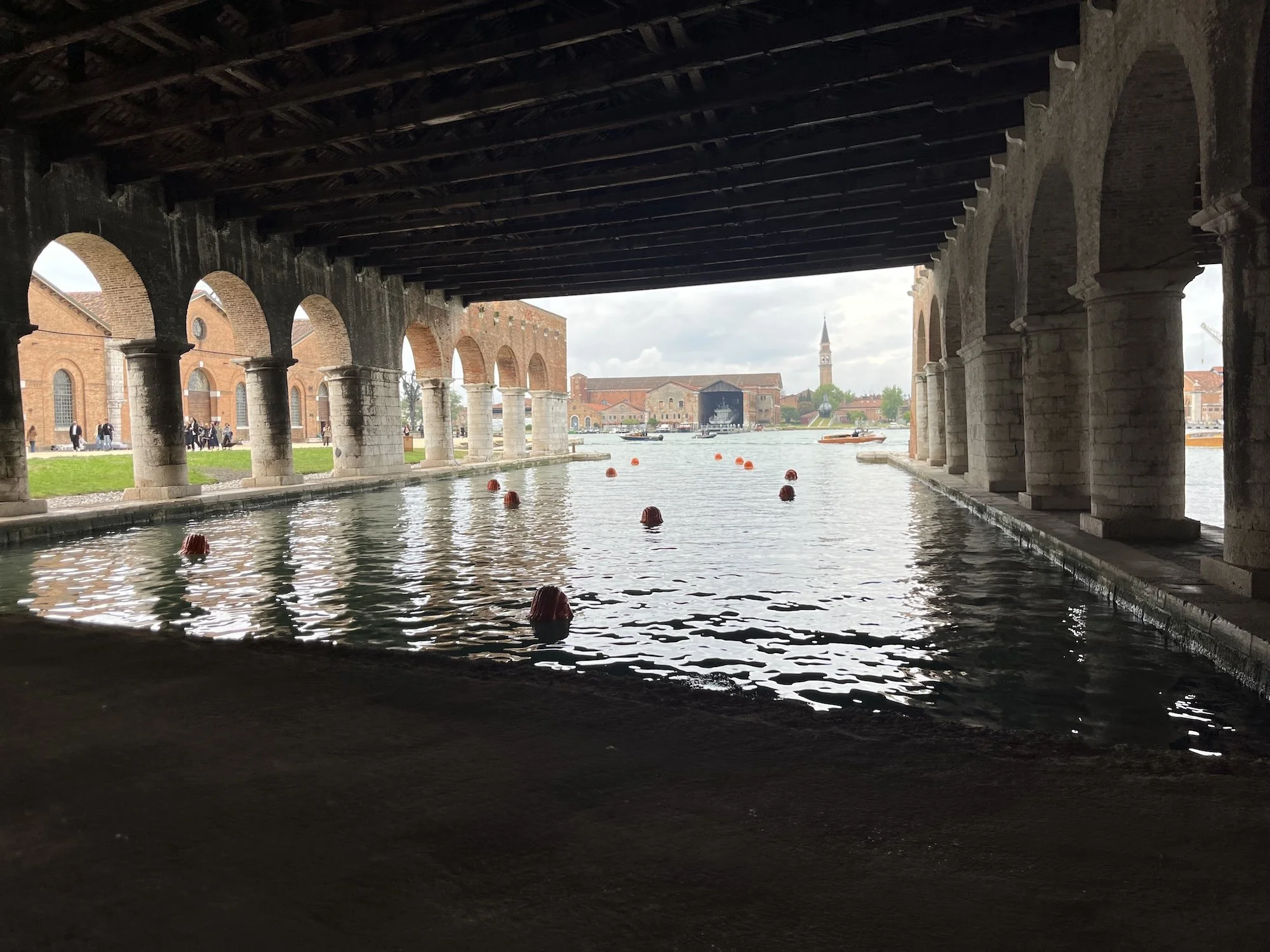
La Biennale di Venezia has been entangled with politics since its founding in 1895, some episodes more so than others (1968 stands out, when artists and students clashed with police at the Giardini and many turned their works to face the walls in protest). The national pavilions by their very existence reflect the geopolitics of the time, saying so much through the artists they select, what they show, what they don't, and so it was hardly surprising that in the midst of our highly politically charged moment the world's most prominent art exhibition should be a touch supercharged, with pre-show artist cancellations, pavilion closures (or not), demos, strikes, boycotts. And yes, some of it veered into spectacle and possibly lacked real substance, but then Venice offers a world stage like no other, and art is best placed to question, reflect, provoke, simply face uncomfortable realities — on which count the 61st edition of the Venice Biennale arrived charged with the moment.
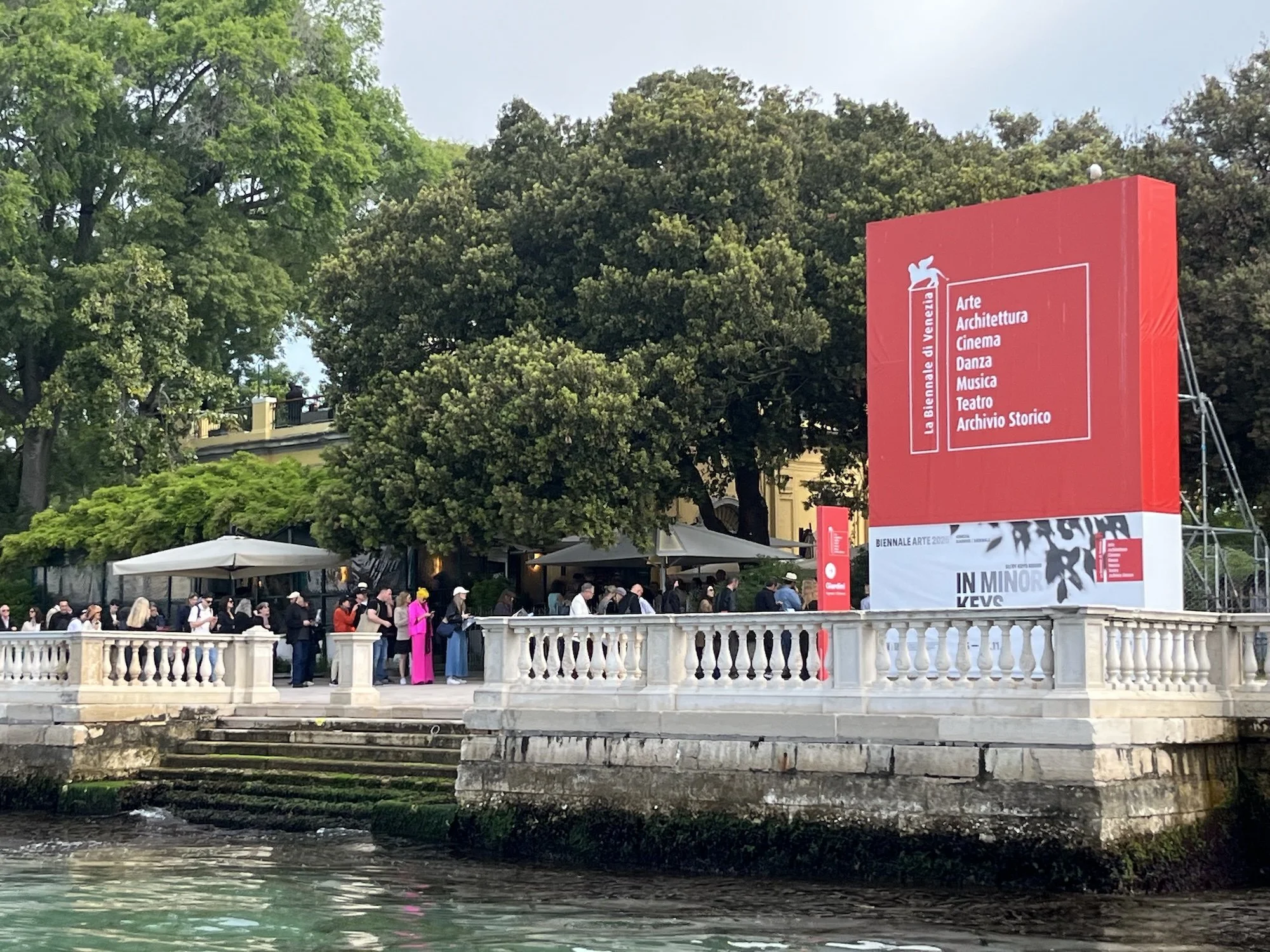
At the heart of it all is the main international exhibition — the glue that is meant to unite it all — this year imagined by curator Koyo Kouoh under the theme 'In Minor Keys'. Kouoh died last May, leaving the show in the hands of a trusted group of curators, and what her vision would have become, fully realised, we cannot know. In her curatorial text, Kouoh had said she didn't want the exhibition to become an overtly political statement, but equally she understood that art cannot and should not turn away from the issues of our day.
The Central Pavilion at the Giardini, the first space for the main exhibition, feels a little jumbled and lacking coherence. The sudden downpour on the first press day, with crowds running in for shelter, certainly didn't help navigating the spaces and the artists. Kouoh's vision unfolds at the Arsenale, the second exhibition space, around the now-famous poem by the Palestinian poet, professor and activist Refaat Alareer, who was killed in an Israeli airstrike in Gaza in 2023. The show, ultimately, is about hope. Alareer writes:
If I must die, you must live to tell my story to sell my things to buy a piece of cloth and some strings, (make it white with a long tail)…
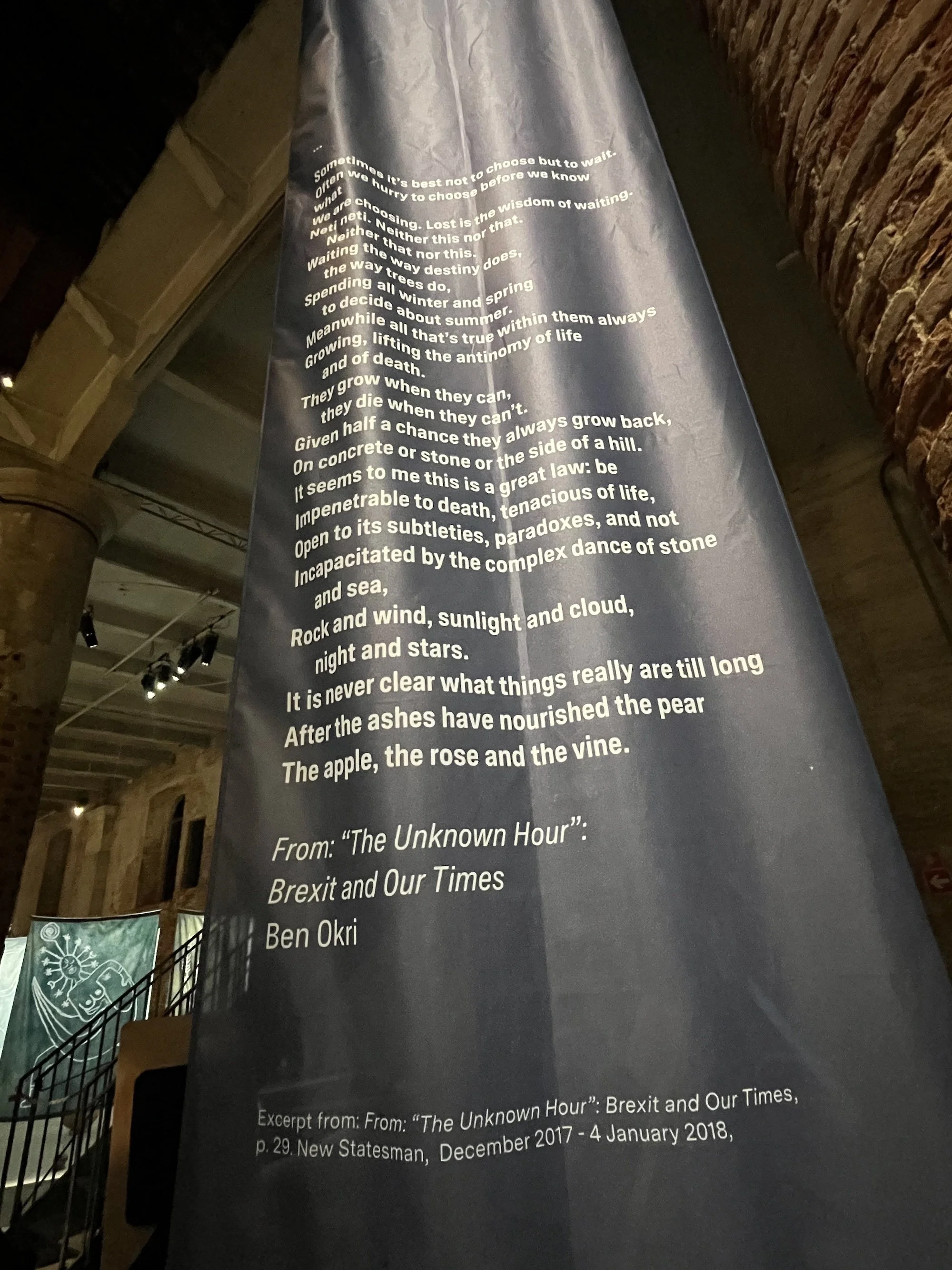
Above the fabric on which the poem is printed hangs a painting by Issa Samb, a disembodied face drifting through a fragmentary landscape, and the two together hold the register of everything that follows. This is where the exhibition is at its strongest, in these opening rooms at the Arsenale, where the framework reads with a clarity that loosens a little as the show unfolds.
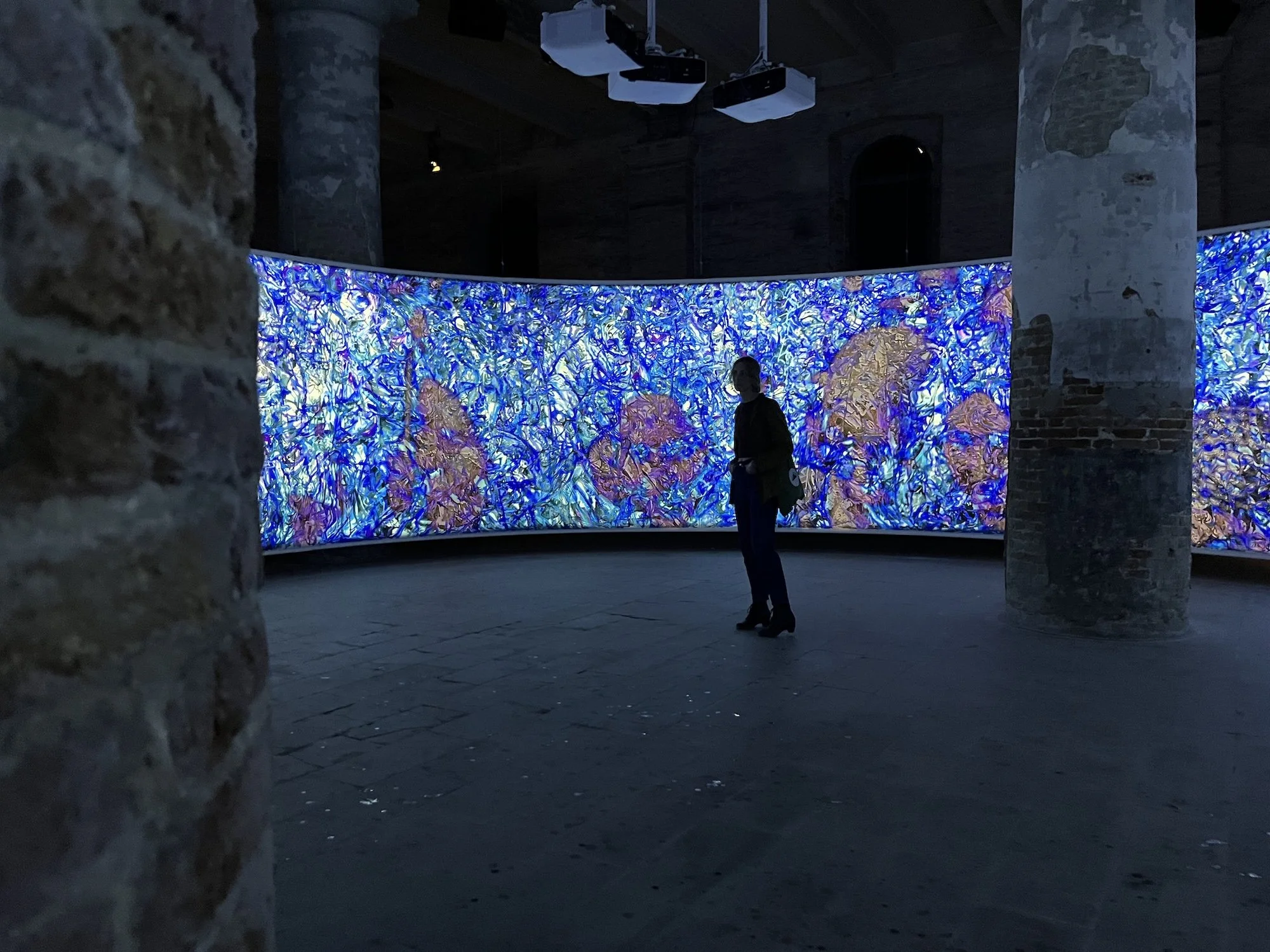
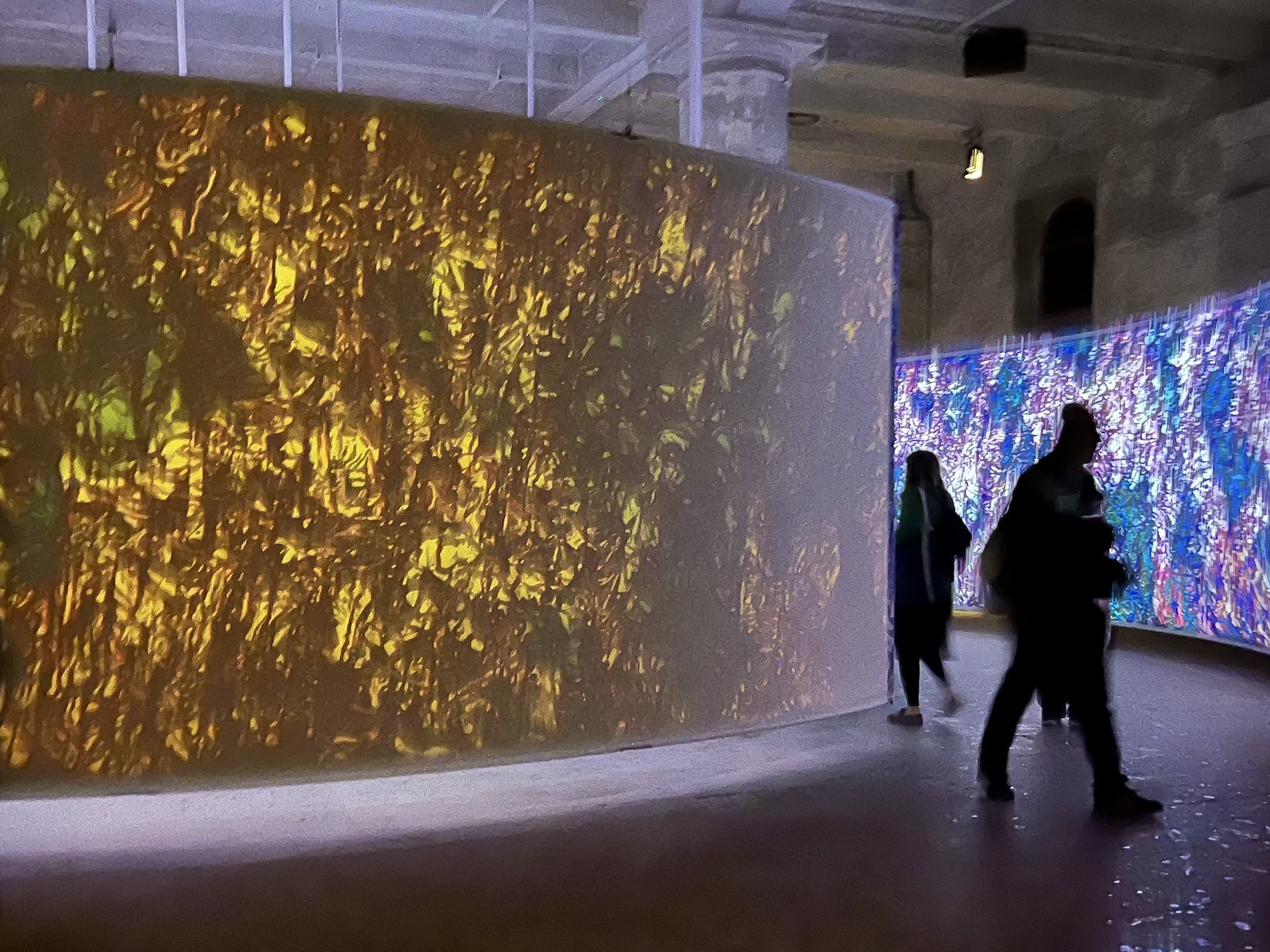
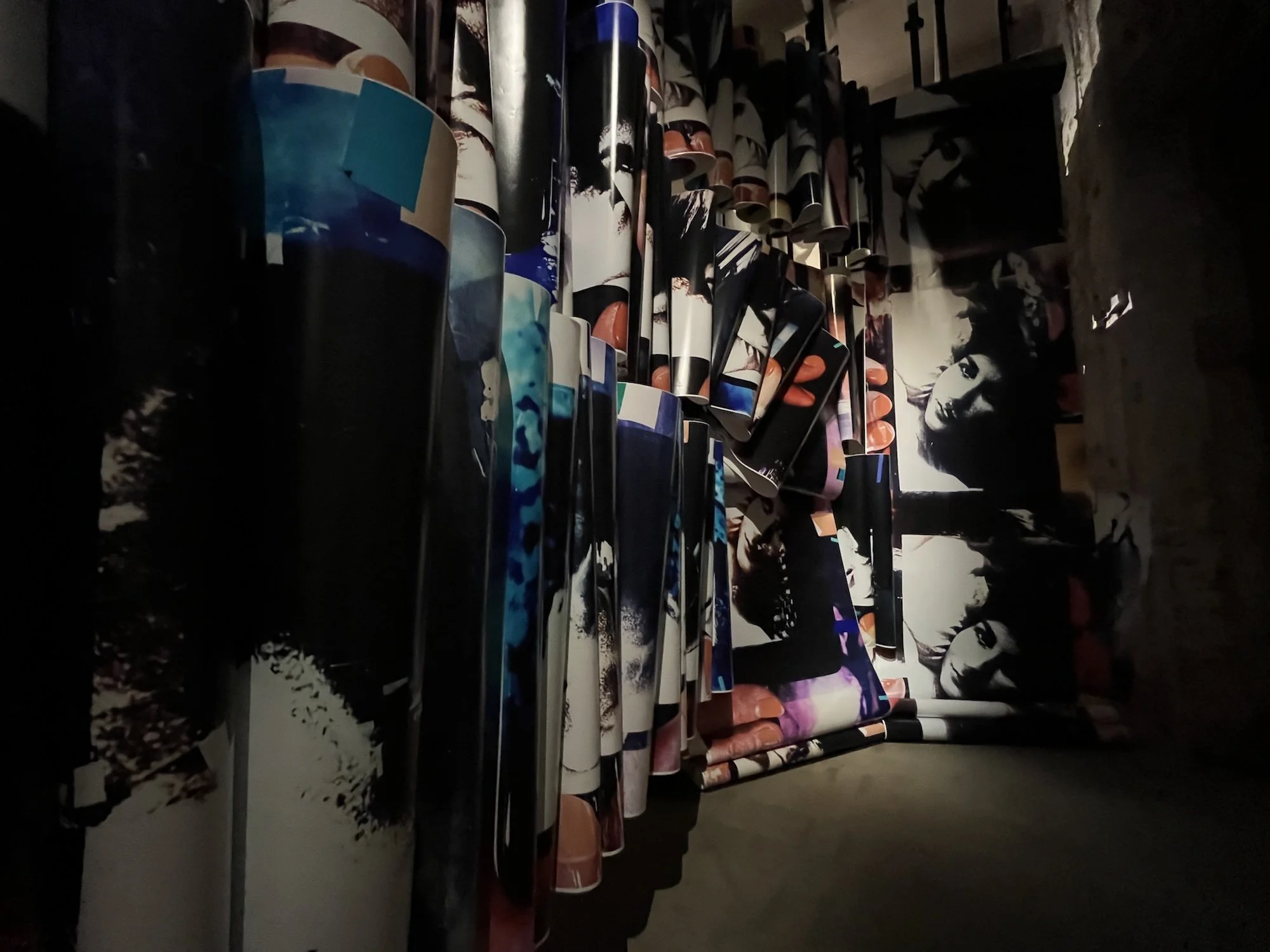
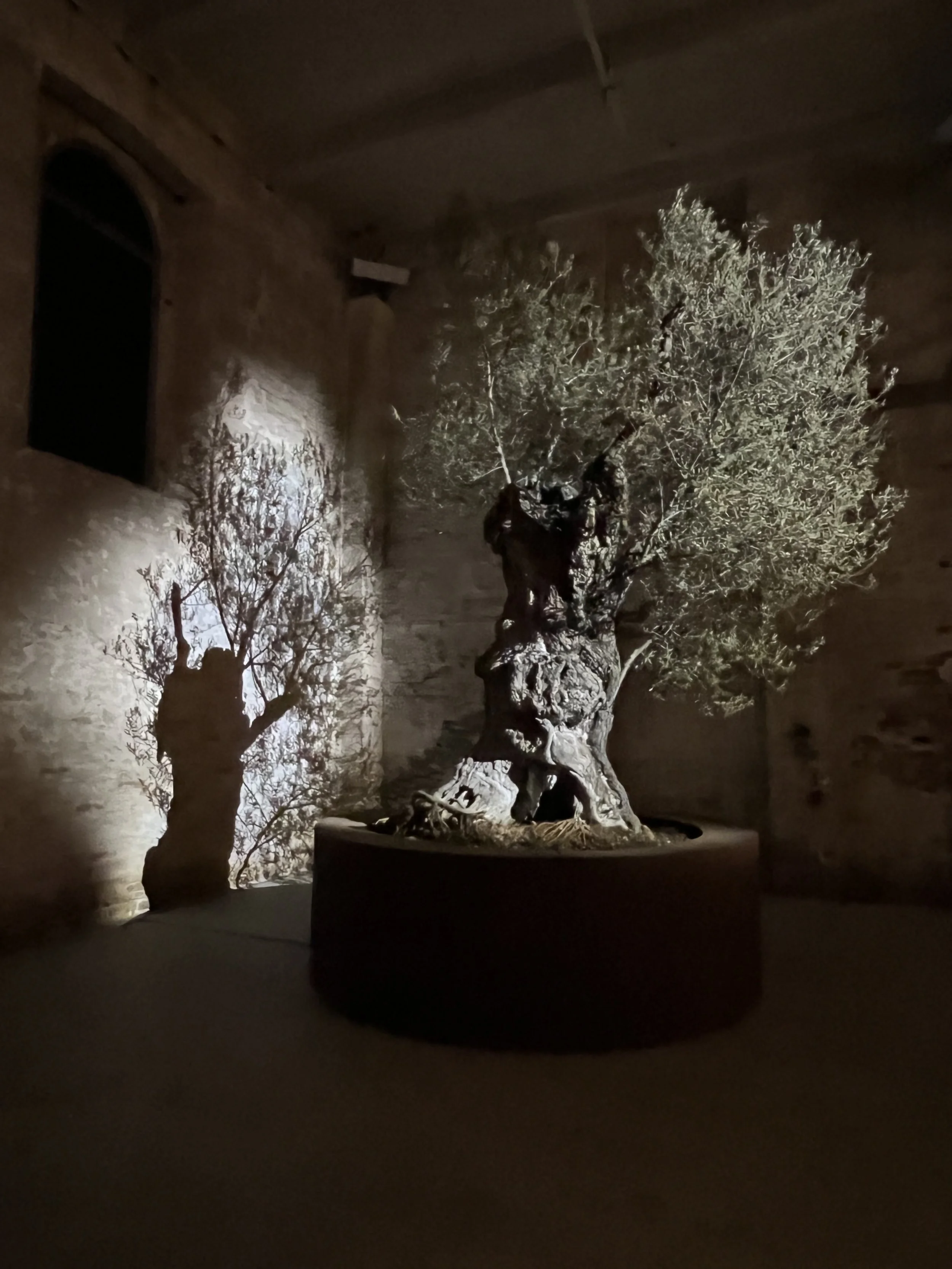
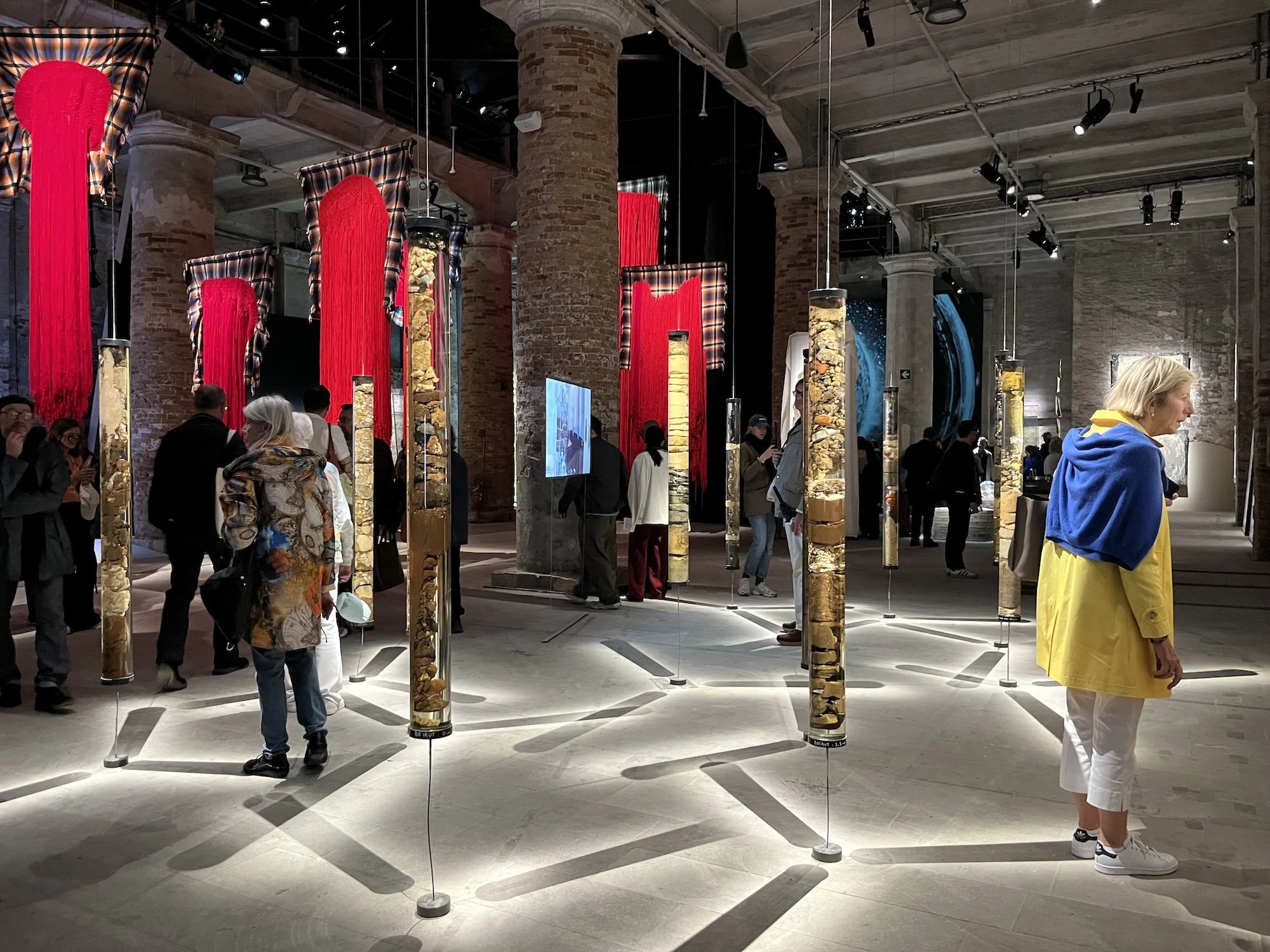
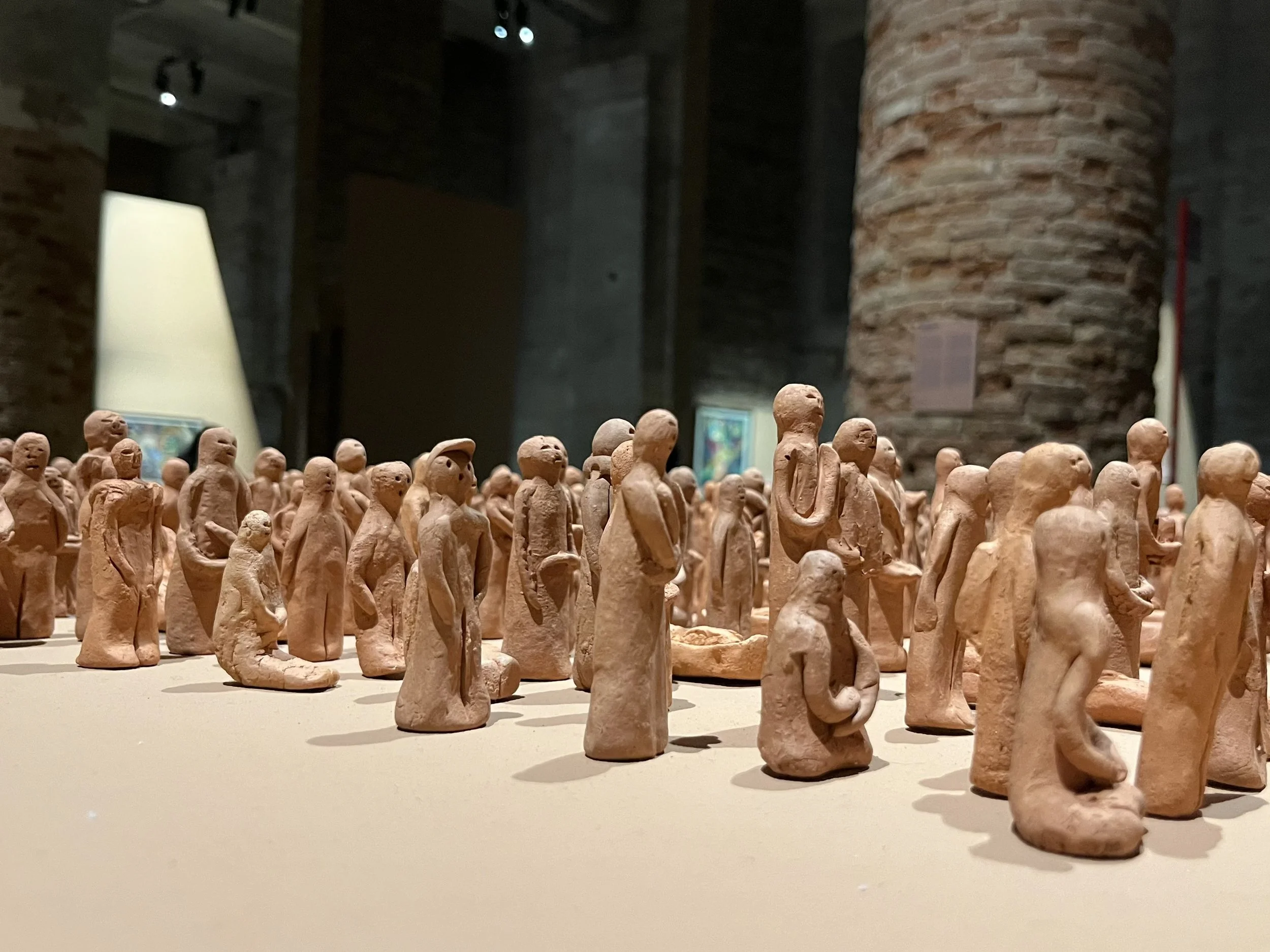
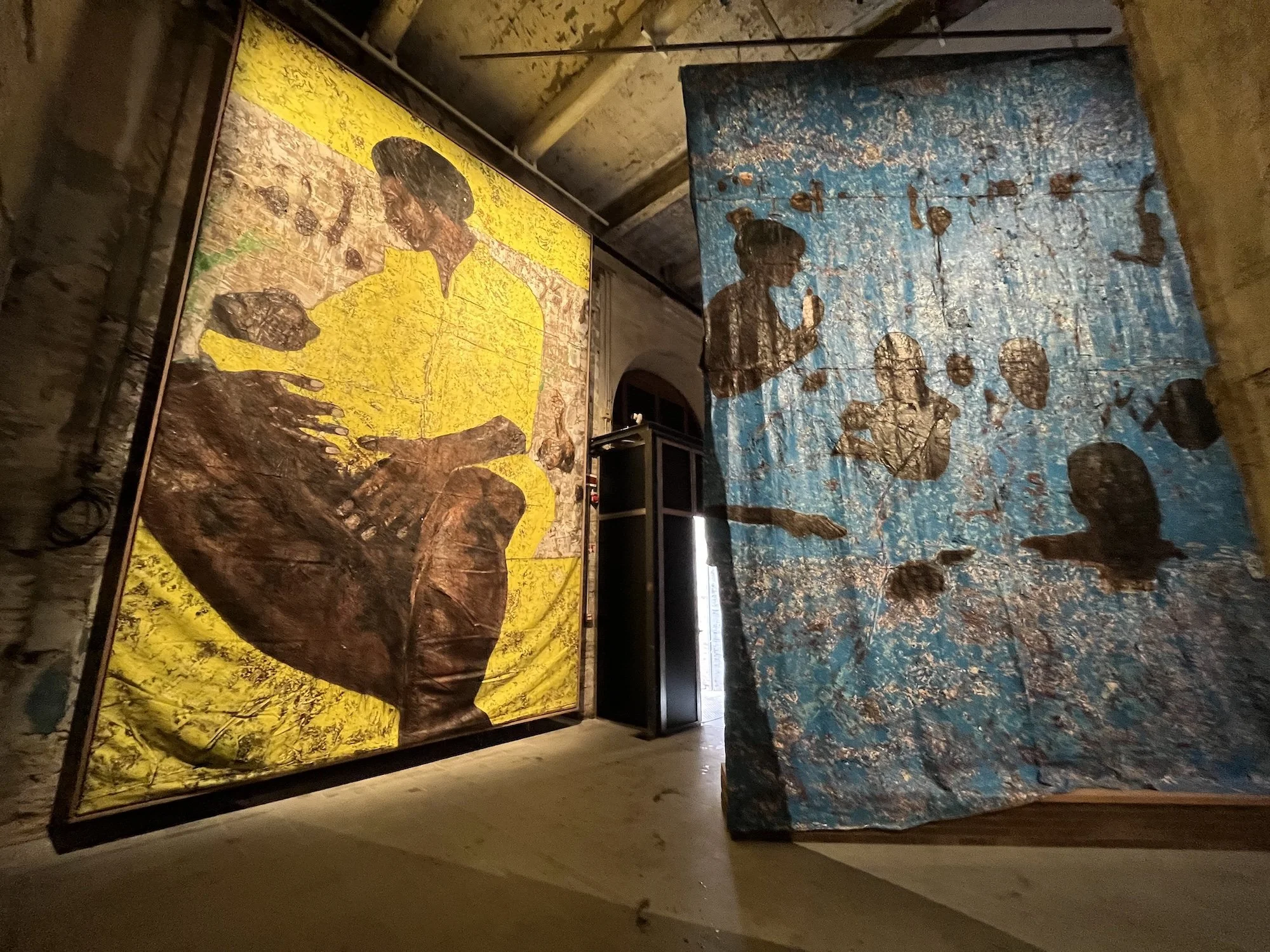
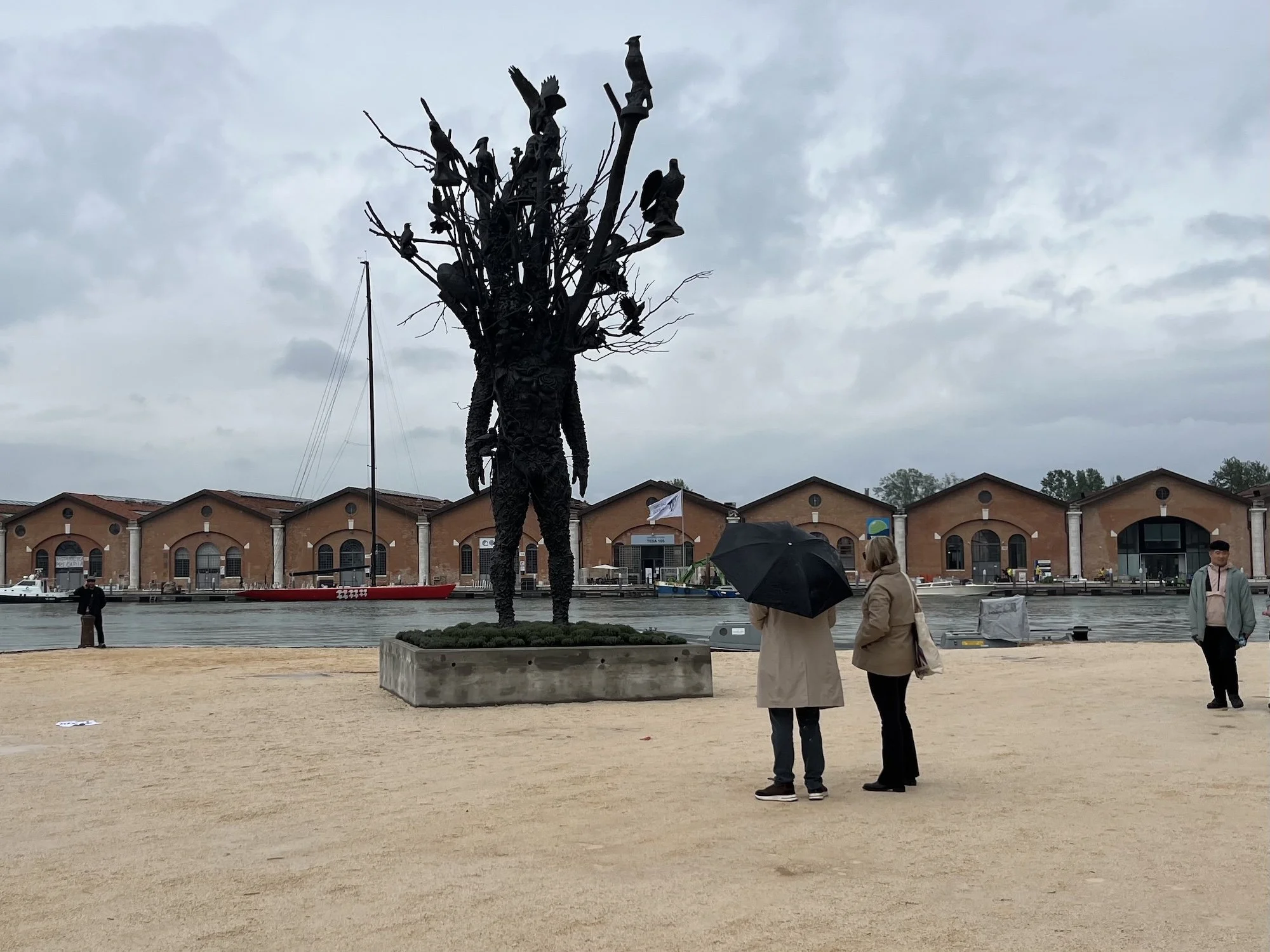
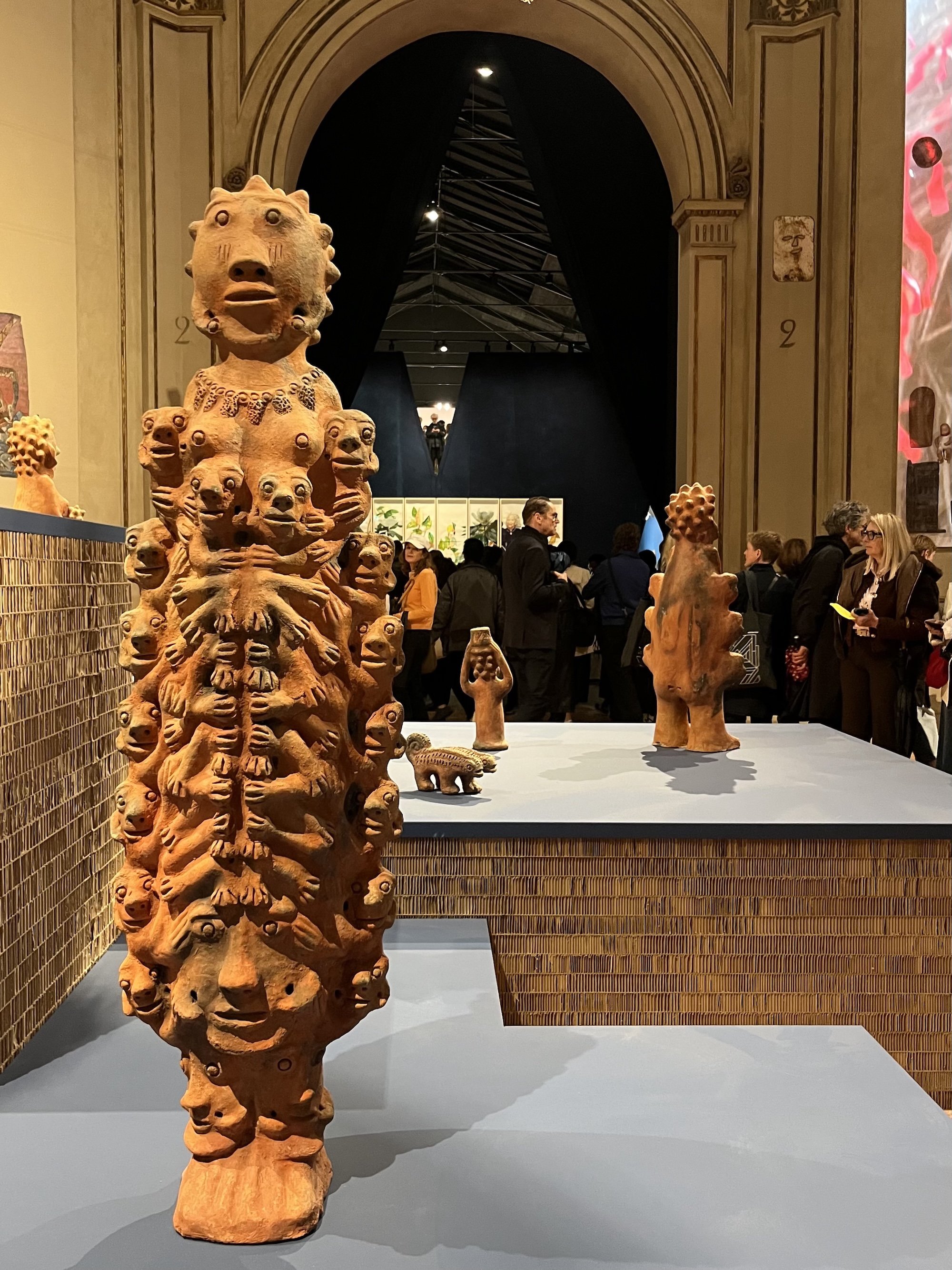
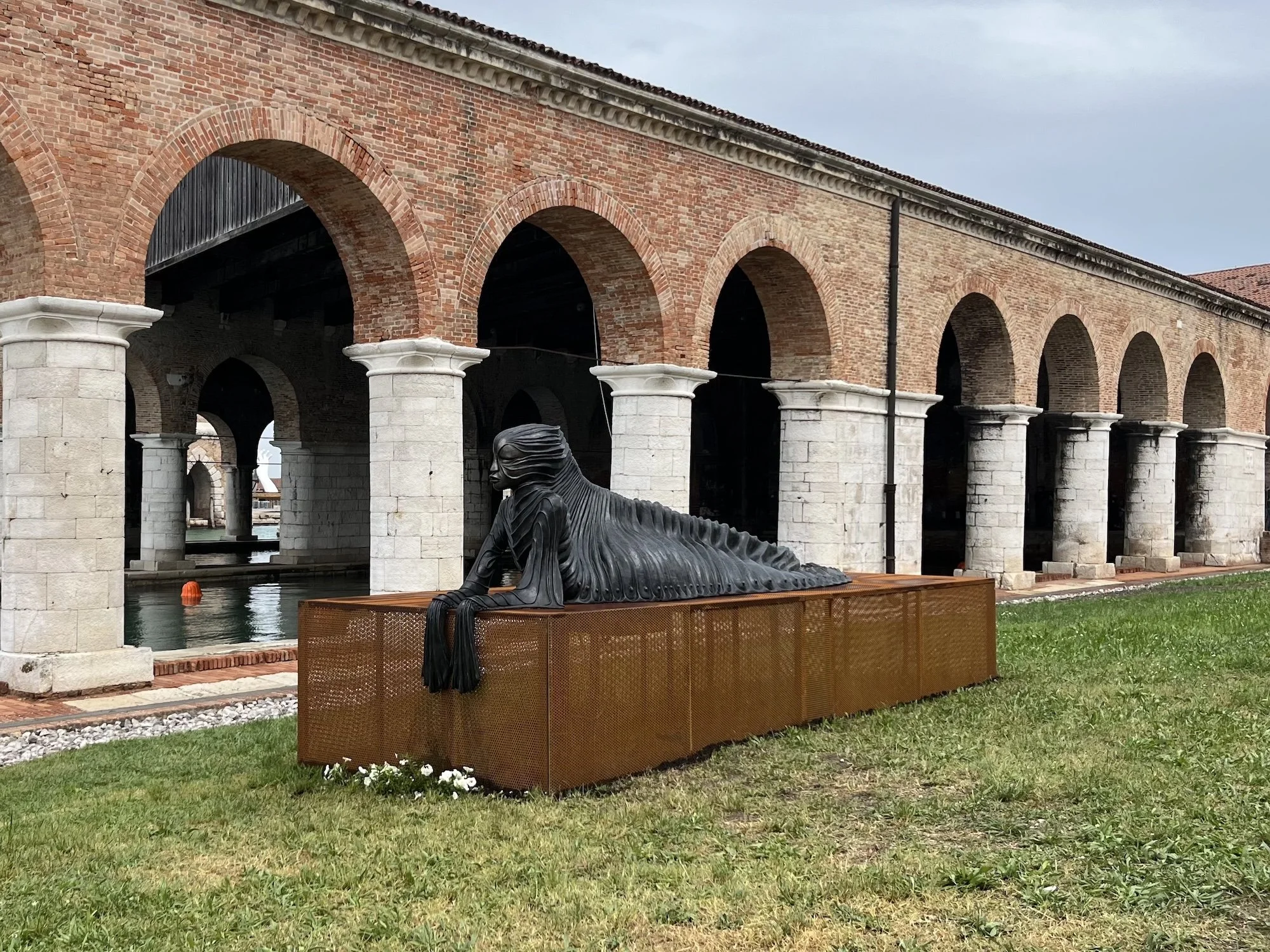
In both the Giardini and Arsenale the invited artists are broadly political in tone, working through texture and light, gardens and poetry, craft and clay and embroidery, the kind of subtlety that carries the weight of serious critique without ever announcing it.
Ultimately, 'In Minor Keys' offers a quieter kind of politics, a stage for softer voices gathered in chorus.
As Kouoh herself put it, 'poetics liberate, and people make beauty together.'